How Do You Want to Be Remembered? | Reflections on Life, Death, & End-of-Life Planning
This text originally appeared in Liz’s Neurodivergent Letters, an affirming weekly email series for highly sensitive, neurodivergent adults who feel burnt out from wearing masks all day & are re-learning who they really are.
As a kid, I loved books. Books were my friends. Every time I’d get my hands on a new title, I had the odd habit of flipping to the last page, reading the final sentence, and then flipping back to page 1 & starting at the beginning.
For whatever reason, my brain found comfort in knowing how the story would end. It didn’t spoil the plot for me – it actually made the process of reading more rich & delightful; like I could stop and smell the flowers along the way to the final destination.
This is the same line of thinking that motivated me to sign up for an “End-of-Life Planning Made Simple” workshop last weekend. Hosted by the incredible death doula (& “recovering attorney”), Alua Arthur.
You might recognize her name from the New York Times best-selling book, Briefly Perfectly Human: Making an Authentic Life By Getting Real About The End (which I highly recommend reading with a box of tissues nearby).
To remember that every life comes to an end is a wake-up call that invites us to live more fully, now. Just like peeking at the epilogue of a book made it easier for my child self to drop into chapter 1.
Of course, attending an end-of-life planning workshop is no one’s idea of a good time. It’s heavy, dense, and some of the hardest stuff that we could ever sit with.
But in my experience, it can also feel honest, clarifying, and courageous to acknowledge our mortality… because death is the one certainty in life. Paradoxically, death education spaces are some of the most life-affirming spaces I’ve ever spent time in.
To plan for the end of our lives — while knowing that anything could happen & nothing is guaranteed – requires us to reckon with how we are living now. The workshop (a mix of practical planning and experiential processing) had us reflecting on these questions:
🌹 What do I want for myself in life? What do I want for myself at the end of life?
🌹 How do I want to be cared for, when/if I can no longer care for myself?
🌹 What does a good life mean to me? What does a good death mean to me?
🌹 How do I want to be remembered?
What stood out to me, as participants shared, is that people want to be remembered for who they are, not for what they did or did not do. No one said they wanted to be remembered for being the most productive worker in Q2, or for owning the fanciest home on the block.
Nope. People shared that they wanted to be remembered for:
their kindness
their wholeness
their honesty
their sense of humor
their courage
the way they showed up as a parent, sibling, friend, partner, or community member
People want to be remembered for their humanity.
Though we all know this on some level, it’s worth repeating: the way we want to be remembered starts with how we are living today.
You are a living legacy. Your story is still being written. You are here for a reason.
How do you want to be remembered?
With care,
Liz
Liked this blog post?
Subscribe to Liz’s Neurodivergent Letters to receive these reflections directly in your inbox.
Interested in working together?
Online Therapy in Colorado | Coaching Worldwide
Helping highly sensitive, neurodivergent adults heal their nervous systems & connect with their authentic selves.
About the Author
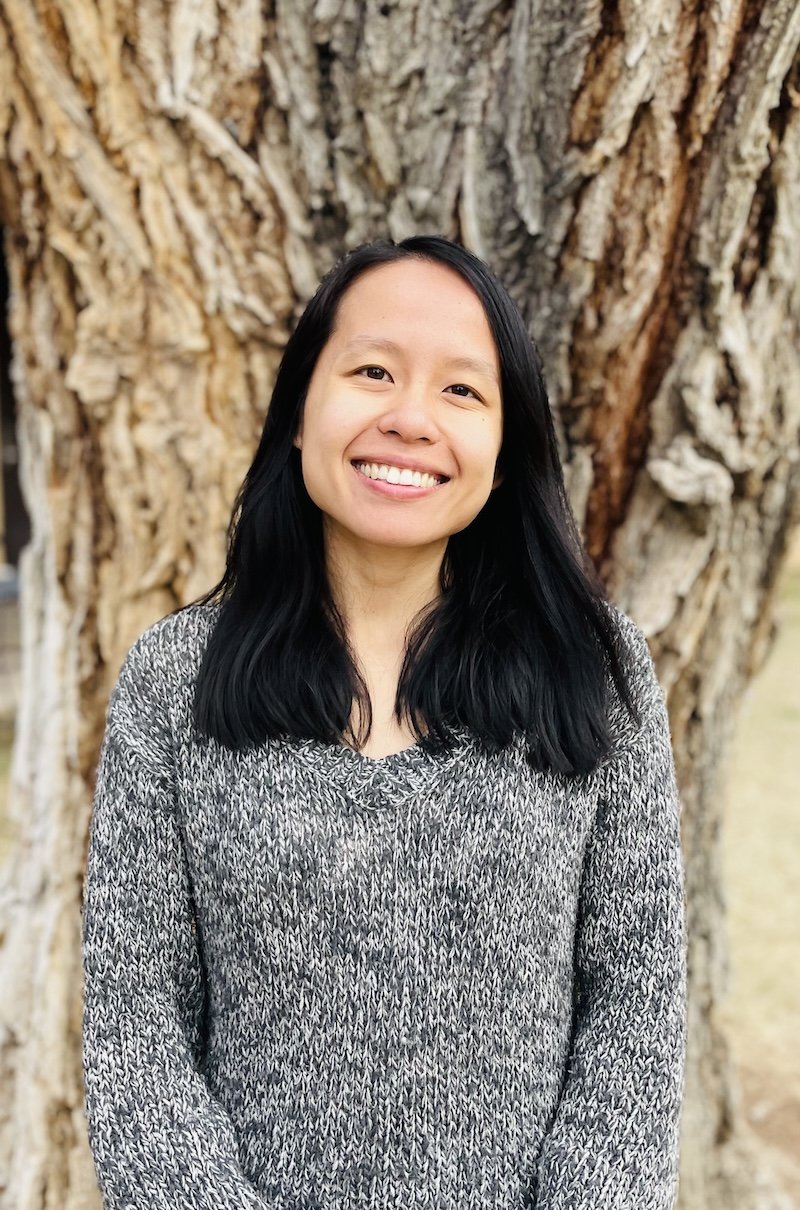
Liz Zhou (she/her) is a neurodivergent therapist, coach, and speaker. She helps highly sensitive, neurodivergent adults & couples heal their nervous systems and connect with their authentic selves, using brain-body modalities (Brainspotting, EMDR, IFS, psychedelic integration) that are quicker & more effective than traditional talk therapy. Liz offers Nervous System Healing Intensives online worldwide.