Body-Mind-Spirit Healing, Ceremony, and Integrating Plant Medicine Work + Psychotherapy
How do we bring sacred ceremony & healing into our lives, without appropriating from other cultures? What would it look like to heal spirit, body, and mind?
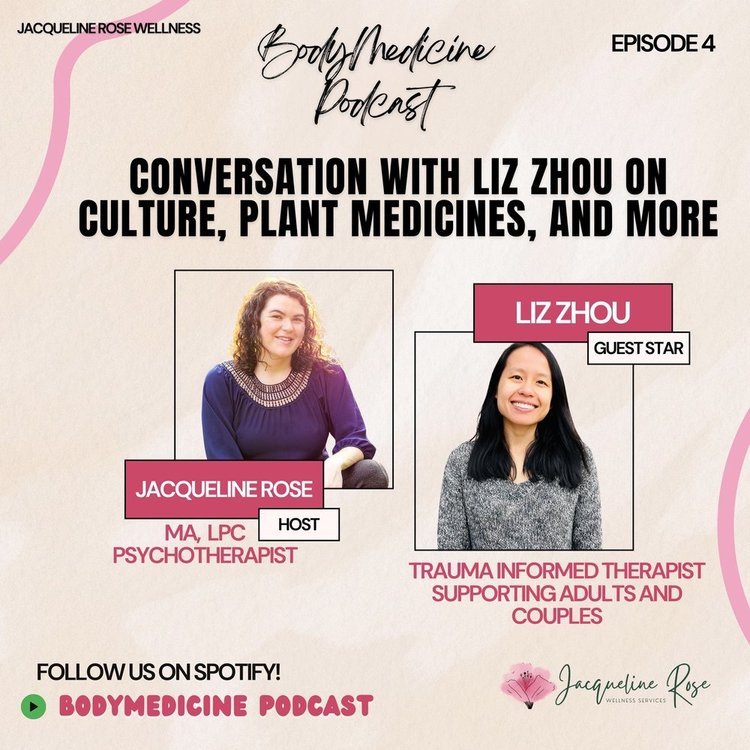
In a lively conversation with Jacqueline Rose, Liz Zhou shares insights from her role as a Shipibo shaman’s translator in the Amazon Jungle – and how it informs her worldview & work as a psychedelic integration therapist.
🎧 Listen on Apple Podcasts or Spotify
The blog post includes highlights from my interview with Jacqueline Rose, LPC, host of BodyMedicine Podcast.
Excerpts have been edited for clarity & flow.
-
🌿 Which practices or habits have helped you connect with your body?
🌿 What cultural, societal or environmental factors have impacted your relationship with your body?
🌿 What’s your experience of supporting people in navigating these cultural & societal factors?
🌿 What are your favorite ways to support yourself & your body?
🌿 What’s your definition of medicine?
🌿 How I entered the plant medicine world
🌿 My translation work with the Shipibo shamans
🌿 What is ayahuasca?
🌿 Daily life at the ayahuasca center in Peru
🌿 What happens in a Shipibo ayahuasca ceremony?
🌿 The link between culture & plant medicine
🌿 When words fail: how do we translate indescribable experiences?
🌿 How plant medicines impact our bodies & our relationship to ability and disability
🌿 How medicine work can shift our attachment styles & relationship patterns
🌿 Bridging sacred medicine work & Western society: how do we bring healing into our lives, without appropriating from other cultures?
🌿 How do you define culture?
🌿 Acknowledging complexity in our cultural experiences: not all sunshine & rainbows
🌿 Integrating medicine work & psychotherapy
🌿 Options to stay in touch & work with Liz
Intro
JACQUELINE: Welcome to the BodyMedicine Podcast. This podcast is a place where we have conversations about the medicine of connecting to our bodies, being embodied, loving and supporting our bodies, and therefore ourselves, all done with a holistic, trauma-informed lens. I’m so excited to be here today with our first guest on the podcast.
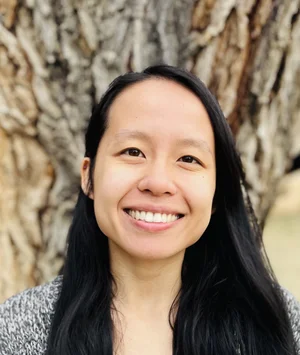
Liz Zhou is a trauma-informed therapist supporting adults & couples across Colorado. Prior to becoming a therapist, she worked as a shaman’s translator in the Peruvian Amazon and facilitated ayahuasca ceremonies with the Shibibo tribe. Her work integrates teachings from psychology, neurobiology, spirituality and multicultural awareness.
Which practices or habits have helped you connect with your body?
LIZ: Yoga & breath work. It’s a practice that I’ve fallen in and out of across the years, and it’s been a rock to come back to. It gets me out of the head and into my body, noticing my senses. Even better if it can be incorporated with nature exposure, like breathing fresh air or stretching in the sun.
What cultural, societal or environmental factors have impacted your relationship with your body?
LIZ: The first thing that comes to mind is how bodies are read by society. We have certain labels, associations, assumptions about people based on what we can physically perceive about their bodies.
For myself, identifying as a woman of color – specifically Chinese-American – there’s a lot there, culturally and socially. I’m just existing in my body. But depending on the context – let’s say, in the U.S. – I am read as an Asian person. That comes with a lot of associations, assumptions, and racialized stereotypes.
Then I think about experiences I’ve had in other cultures. When I visit my parents’ homeland of China, I’m just existing in my body – but I’m being read in a different way than I’m read in the U.S. People see me and think, she wasn’t raised in China… so what is she?
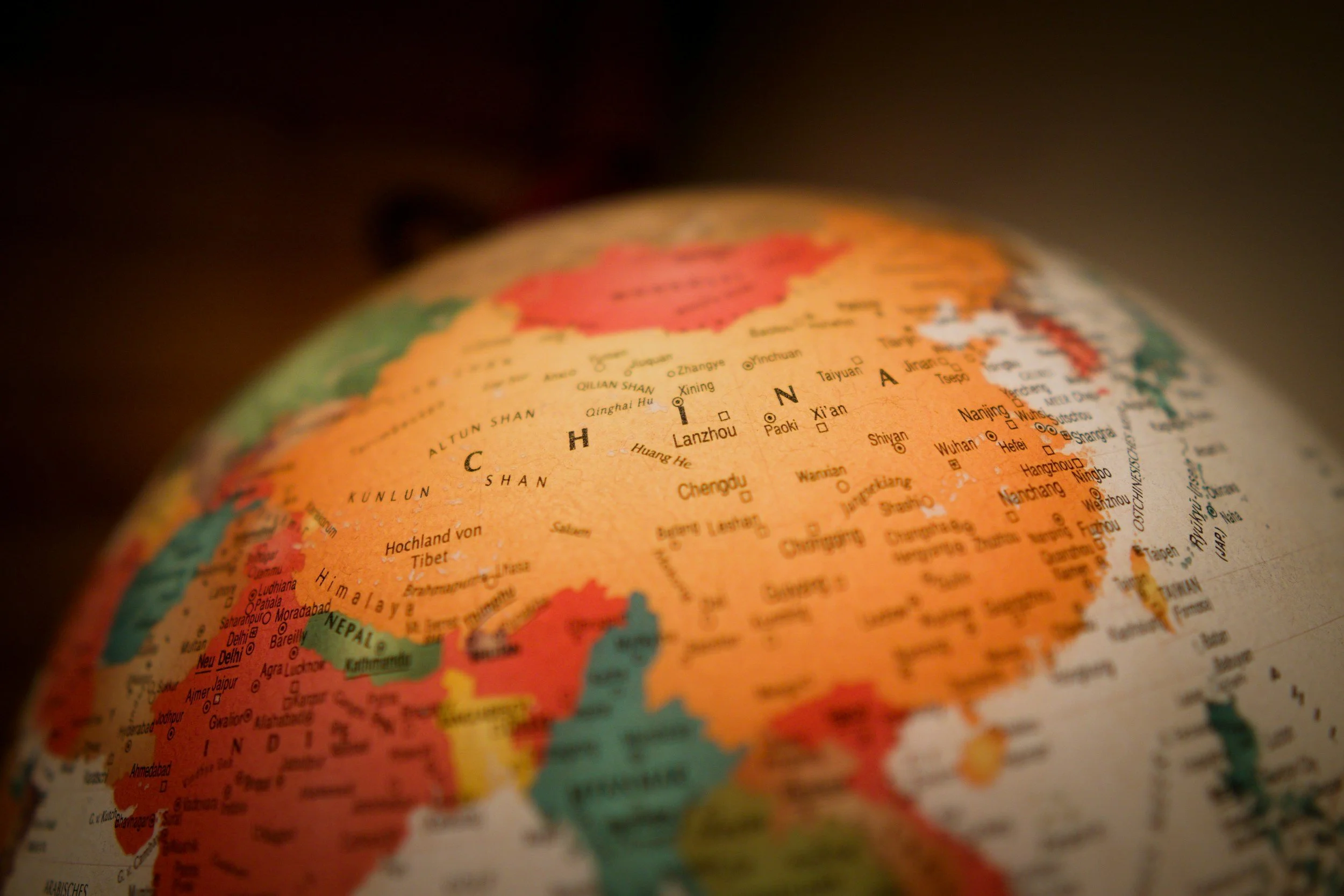
There’s that element of mystery – the mystery that I am to others, whereas my internal experience is that I’m just existing.
JACQUELINE: I had chills as we were speaking. As people, we have parts that want to figure things out. If we look at somebody and we take in their body and how they look, it’s that automatic, pre-conscious, pre-verbal impulse of the brain to be like, I wanna put this stimulus into a box that I can understand. I’m aware that with the social climate in the States, there’s been so much racism, putting people into boxes based on their looks.
What’s your experience of supporting people in navigating these cultural & societal factors?
LIZ: Working with a lot of people who hold marginalized identities in my private practice, and as someone who identifies within that community myself, there is this sense of unease, to put it lightly. Anywhere ranging from unease to terror & panic about the world that we find ourselves in.
I know that people feel it in their bodies. It can start to feel uncomfortable or unsafe to be in certain spaces if we’re not sure if it’s a space that’s receptive to difference.
My perspectives are shaped by the book My Grandmother’s Hands by Resmaa Menakem. It’s about the pain, trauma, and cumulative stress of living under the systems of racism in America – and how it can build up in the nervous system without us even being cognitively aware of it at first.
What are your favorite ways to support yourself & your body?
CONNECTING WITH ANCESTORS
In the book My Grandmother’s Hands by Resmaa Menakem, there is a beautiful meditation called Connecting with an Ancestor. It’s about sensing into the presences around us, having sovereignty over who we want to invite into our field of energy, and being curious about where we came from and who shaped us.
TEA AS A LOVE LANGUAGE
In Chinese culture, we gather around tea and food as medicine, as a love language. This is true of many cultures.
I have fond memories of visiting my grandparents, cousins, aunts, and uncles in China. It’s this simple, beautiful offering: Welcome to my home. Do you want a cup of tea?
It’s a mindfulness practice, though they don’t call it that.
You’re sitting. You can’t rush the process of water boiling. You can’t rush the process of tea leaves absorbing into the water. You drink it when it’s just the right temperature – warm-ish, but not too hot, but not too chilled yet. Savoring the flavor. The whole time, you’re connecting with the people around you.
It’s a community activity, and it’s also a solo self-care activity.
The tea itself can be medicinal – the herbs & plants, prepared with love.
ENTHEOGENIC PLANT MEDICINES
Finally, I’ve supported myself through plant medicine – including psychedelic, psychoactive or entheogenic plant medicines that induce an altered state of consciousness when consumed into the body.
I’d love to hear about your experience using plant medicines in the healing realm. Let’s start with: what’s your definition of medicine?
My definition of medicine is anything that heals – whether it’s a substance that one consumes, or an experience that someone has, or a relational encounter between people, between creatures.
Medicine is anything that contributes to the natural healing processes that our bodies are already designed to do.
Even conversation is a form of medicine – because you’re connecting with someone, you’re talking about deep soul topics. I think everyone can define for themselves what feels like medicine in their bodies.
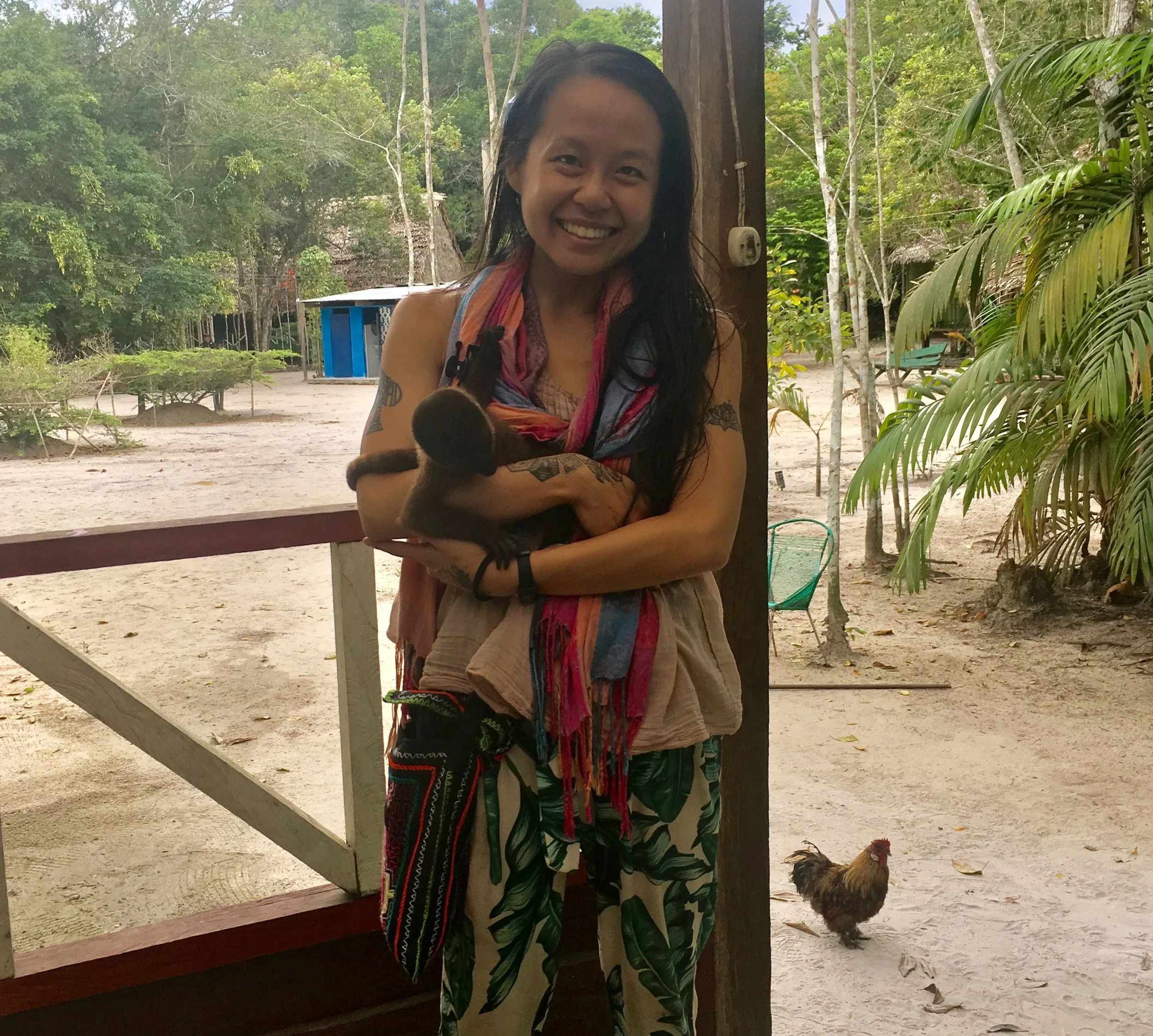
How I entered the plant medicine world
Long story short, I had a very privileged opportunity after I finished my undergrad degree. I applied for and received a fellowship, which provided funding to travel outside the U.S. for 12 months and conduct a project of my choosing.
My project was called: Altered States of Consciousness Across Cultures.
I’d always been interested in mental health. But in my psychology undergrad studies, I ran into limitations of what the Western psychology framework could hold for me. There were certain things, especially the emphasis on diagnosis and pathology and “what’s wrong with you,” that didn’t sit well with me. It was incredibly emotionally activating, and I saw ways in which it was very invalidating of people’s experiences or an incomplete story.
I wanted to understand how other cultures perceived mental health – beyond the limitations of a Western model.
Even the term “mental health” is an incomplete framework. It’d be more complete to call it “body-mind health” or “body-mind-spirit” health. Mental health is just one component.
Things that happen in our mind are connected to the processes in our bodies. We feel our emotions in our bodies. Stress and trauma are stored in the body. It’s not enough to think our way out of things, with the mind.
My fellowship journey brought me across the world: Peru, Ecuador, Colombia, Guatemala, Panama, Brazil, Mexico, the Netherlands, Greece, Spain, Thailand, Nepal, and Gabon.
I spent most of my time in South America, where my fluency in Spanish allowed me to access & experience many different shamanic practices. I learned about the plant medicines of ayahuasca and San Pedro. I attended ceremonies with Bufo Alvarius, a psychedelic medicine also known as 5-MeO-DMT, also known as the God Molecule.
I ended up volunteering at a few ayahuasca centers. After the fellowship year ended, one of those volunteer gigs turned into a translation job in the Amazon Jungle of Peru. The center was called Nihue Rao (pronounced: nee-way rao, rhymes with wow), and that is in the Shipibo language.
My translation work with the Shipibo shamans
At Nihue Rao, I worked with the lead shaman, Maestro Ricardo Amaringo. I was the bridge of communication between him and the guests at his ayahuasca healing center.
Many guests were from Western countries, like the United States, Canada, and Europe. They were coming to the jungle to heal their mind, bodies, and spirits.
From a shamanic perspective, maybe the order is actually: they’re healing their spirits, and then their bodies and their minds.
What is ayahuasca?
Ayahuasca is a plant medicine brewed from a vine & a leaf – used for thousands of years by Indigenous people, and known by a variety of names in different languages.
In my role at the center, we called it “the medicine,” la medicina. Also known as Mother Ayahuasca, given its feminine motherly spirit.
Daily life at the ayahuasca center in Peru
At the center, we would engage in ceremonies four nights a week, starting at 8-ish, going till midnight-ish, Mondays, Tuesdays, Thursdays, Fridays.
I would translate the ceremonies, witnessing the whole unfolding of the Shipibo shamans’ work with the guests in the maloca.
The maloca is the ceremony space – a large circular hut, a beautiful space where energy flows. It’s different from the box-y & corner-y architecture I’m used to. A maloca is truly a circle.
>> To learn more, check out this blog post: A Day in the Life at an Ayahuasca Center in Peru

What happens in a Shipibo ayahuasca ceremony?
Guests would be served their dose of medicine by the shaman. The shaman would bless the medicine for them, usually with a puff of tobacco. Tobacco is considered to be a strong & sacred medicine, with a masculine spirit.
So, there’s a lot of medicines going on. People are taking their dose. They’re going back to their seat in the ceremony space.
It’s an introspective experience where they’re creating a relationship with the medicine, creating a relationship with themselves, and experiencing an altered state of consciousness for 4+ hours.
There are shifts in emotions & changes in thought patterns. It’s like shaking up an internal snow globe. Maybe their body is releasing some tension, moving through sensations & somatic processing.
Ayahuasca is a bitter medicine, and it’s common to have to physically purge the medicine – through coughing, sneezing, spitting, or vomiting. (That’s why we have buckets in the maloca.) When the medicine is purged, it brings toxins from the body with it. That is also a part of the healing, from a shamanic perspective.
As the translator, I’m sitting in every ceremony.
I’m also helping to facilitate, I’m helping people to move their vomit buckets. I’m helping them get to the bathroom. I’m helping them go up to the shamans to receive their healing songs during the ceremony, because song is a big part of the healing process in the Shippibo culture through the icaros.
The link between culture & plant medicine
There are a lot of different contexts where people can engage with psychedelic medicines. In my personal experience – and I’m not saying this is the only way – encounters with ayahuasca medicine have always been a deeply cultural & multicultural experience. I have no way of separating the two.
They’re so interwoven, like DNA strands. I have only experienced ayahuasca in the context of the Shipibo culture.
In my time working at that center, I experienced a lot of healing. I was there for about six months, and then I had to come back to the States because of the pandemic, March 2020.
People ask me, what was so healing about your experience?
And yes, it was the ayahuasca brew that had so many potent healing qualities, moving through my body & nervous system.
The culture, too, was the medicine. The icaros, the songs… I cannot imagine an ayahuasca experience without the icaros.
There were ceremonies I sat in where I only listened to the icaros. I did not consume a drop of the ayahuasca medicine – and it was so profoundly healing. The sound waves traveling into your body, the nervous system healing; that is medicine, too.
The relationship that I formed with the shamans, with passengers – that was the medicine, too.
(The guests at the center are called passengers, pasajeros, because they’re going on a journey.)
This whole experience was taking place in a part of the Amazon Jungle that was only accessible through a moto-taxi over a bunch of dirt roads, and then an hour-long boat ride. It’s very remote. You cannot hear a car for miles. I don’t think I ever heard planes… maybe once or twice. It’s truly deep silence.
Plus, the sounds of the jungle on top of that, which is its whole symphony of music & medicine as well.

Nature was part of the healing.
Being in the humid, muggy air of the jungle; all the smells, all the creatures, and the community that was living within that Shipibo village that I was able to communicate with through my Spanish. They would speak to me in Spanish as their second language.
It was this beautiful merging of cultures.
I don’t want to romanticize the whole experience, though – because there were also challenges & complex dynamics; denseness & heaviness within all that. That can come up while in the intensity of this space.
My point is: the medicine was the accumulation of all of this, together; the whole being greater than the sum of its parts.
When words fail: how do we translate indescribable experiences?
LIZ: Words dissolve every time I try to talk about this. Trying to put a layer of language over this experience that is truly ineffable…
JACQUELINE: It’s hard to find the words. I’m curious if there’s other information in your being right now, anything that wants to come forward, if you take a moment to breathe and drop in. As you’re speaking about this, is there something that you’re noticing?
LIZ (pausing & going inward, slowing down): It’s a sound or sensation… or a felt sense. It’s a lot of green, the shapes that you would see in nature. Round. Nothing’s perfectly linear or symmetrical. It’s soft edges, and then light, like sunshine – a light that sources from within, but it’s echoed by the light & sunshine around us. That’s the felt sense.
JACQUELINE: That’s a beautiful description. It’s this interesting energy… this information that cannot be met with words.
LIZ: For me, that’s been one of the gifts of these medicines.
They bring us deeply within ourselves, and somewhere beyond ourselves. The term entheogen, or entheogenic medicines, is about connecting with the divine within.
What is within us is echoed outside of us as well. It’s breaking down experience into its core components: light and sound and shapes.
The nature of existence – light & sound & shapes, existing in different combinations to create this human body and oh, that’s a cup and oh, that’s a tree.
JACQUELINE: It reminds me of a baby’s experience, where they come into this world and they don’t have language capacity yet. Those filters that society puts in front of us, a baby doesn’t have those ingrained memory network associations yet. To them, it’s just – oh, that’s that color. That’s a different color. It’s not attached to this meaning or label or good or bad. It’s just, oh, that’s blue, you know?
How plant medicines impact our bodies & our relationship to ability and disability
LIZ: Speaking of babies, I think about the condition that our bodies shift into when we are experiencing the strong effects of a plant medicine. In a ceremony, we are not walking around, skipping and humming. We are seated. I’ve spent a lot of my ceremonies lying down on my side because the medicine can knock you out, depending on the dose, depending on the body & the nervous system. But speaking for myself, it felt like coming back into a vulnerable, baby state.
As human beings, we’re very vulnerable in the months after we’re born, still forming our bodies. Then, as we age, we’re vulnerable in similar ways.
It’s the cyclical nature of the human body, vulnerability at the edges of our existence, as well the ways that ability and disability can touch our lives at any point. This isn’t age-based, and the medicine reminds me of that.
Ayahuasca will put people in a state where they’re vomiting into a bucket. Or they need to go to the bathroom, but they can’t physically walk themselves because the medicine is heavy in their system and it’s hard to coordinate movements. There’s no shame in that; that is part of the experience, in a truly safe & sacred ceremonial container.
That’s why they have facilitators like myself to walk people to the bathroom, to move their vomit bucket closer to them, to clean up after them if there is a mess. As humans, we’re just organic matter releasing other forms of organic matter from our bodies.
JACQUELINE: Embracing that messiness as part of the medicine experience – it might not be in everyone’s window of tolerance, and that’s something to know if you are wanting to step into that kind of space.
If it’s been hard to let people help us or we haven’t had that support, I have a feeling that that can be so humbling and healing to be supported in your humanness & your body in that way.
LIZ: You’re speaking my language. It is a humbling process.
How medicine work can shift our attachment styles & relationship patterns
LIZ: There’s a shift in our own attachment patterns that can happen with the medicine work, when we’re in ceremony and there’s no choice but to hold the hand that is pulling you up from your seat in the maloca to bring you to the bathroom because you need to use the bathroom right now and you can’t get there by yourself. That re-patterns something in us.
We learn how to receive care.
The attachment work extends to the relationship with the medicine. Ayahuasca and other plant medicines are called “plant doctors,” doctorcitas. Sometimes, in the visions of the ayahuasca ceremony, you can even see the plant doctors doing a psycho-spiritual surgery on your body.
People will come out of the ceremony saying, this plant was working on my heart and this other plant sent me a message about this; or this other spirit helped move this energy in my neck. That’s the language of ceremony.
If we haven’t been in safe relationship with other humans yet, it can be intensely healing & powerful to build a sacred & safe relationship with the ayahuasca medicine, with the spirit of the jungle, or any other plant.
Can we have a secure attachment with nature? And can that be a foundation for forming secure attachment with humans, all living beings, and the collective?
Bridging sacred medicine work & Western society: how do we bring healing into our lives, without appropriating from other cultures?
JACQUELINE: I’m so curious, for people who don’t necessarily have access to a ceremony in Peru, if you have thoughts about healing & ceremony here in the States.
LIZ: Yes, that is such a good point. I’m aware of how privileged it is to be able to engage in these ceremony contexts abroad – so I appreciate this curiosity about how we can access medicine in this time and place, here.
It’s a question I’m living in right now. I don’t have a super neat answer, like, “just go to this resource page.” As much as I wish it could be a straightforward thing, we’re working within the (shifting) legal landscape of Colorado & the United States.
We want to be aware of what is a realistic & possible option within the context we’re living in, and what feels safe & comfortable within our window of tolerance.
I am curious about the medicines that we have some access to here, which include cannabis, ketamine, and increasingly psilocybin, as those legal logistics get worked out. How can we create our own ceremonial containers that are not appropriating other cultures?
We’re not trying to recreate the Shipibo culture here. That wouldn’t land well for me to try to do that in the body I’m in. But we can draw on our own ancestry, the rituals of our lives, practices that feel good for us and that are respectful & sensitive to our cultures – not taking from other people’s, not distorting something we saw on the internet or a documentary.
What aspects & elements can we draw from our worlds to create the container that makes sense for us?
I’m saying we, but maybe it is more individual here, in the sense that it’s going to look different for each person.
Maybe for some people, it starts out as a journey between them & the psilocybin mushroom they grow on their land; or them and their relationship to their psychedelic-assisted therapist and the ketamine sessions they do together.
For others, maybe they want to find a community to sit with. That can be a ceremonial container. That can be a healing container.
We need to have conversations about, what will this look like? How are we doing this work in a way that’s sensitive to people’s identities and cultures? What are the costs?
The awkward stumbling process – the conversations where we figure it out – is part of the healing, too.
How do you define culture?
I think in images.
My image for culture is a goldfish swimming in a bowl of water. Culture is the water that we swim in.
The goldfish isn’t consciously thinking, I’m in water, water is wet, water is cold. The goldfish is just in the water.
That’s how I conceptualize culture. It’s the air around us.
There are some obvious markers of culture. Maybe our minds go to: that’s the festival this culture celebrates. That’s the language they speak. People of this culture tend to live in this geographic region (unless they immigrated somewhere else – because culture can move across space and time; it’s not fixed).
Then there’s the stuff underneath the iceberg that is more subtle. Culture includes: how do we relate to authority? What kind of body movements are more typical; what are the automatic somatic patterns? Do people in this culture talk with their hands? How do they greet each other? With a hug, with a bow, with a kiss? How much physical space do people leave between each other when they interact? That’s a reflection of culture, too.
What do they find funny? What is considered a sense of humor? Something I’m going to laugh about in one of my many cultures might be quite inappropriate for another cultural context.
I want to emphasize too, culture isn’t just ethnicity or religion or nationality. It can also be subcultures – like the grad school I went to, Naropa University. It has its own culture.
There’s sports culture, there’s football culture, there’s skiing culture.
There is plant medicine culture; there is Boulder, Colorado culture. There are all these subsets that aren’t just tied to where our families come from.
Acknowledging complexity in our cultural experiences: not all sunshine & rainbows
We may have complicated relationships with our cultures. I want to be careful not to fall into this trap of romanticizing all things culture.
It’s not always as simple as, just connect with your ancestors & lineage, and you’ll heal.
Because there are big, ancient wounds that may exist in our individual, familial, and collective histories.
I don’t want to be spiritually bypassing – because that is a pitfall of a lot of psychedelic communities & psychedelic conversations, right? I want to be very clear that this can be very complicated.
Integrating medicine work & psychotherapy
I work with adults and couples in my psychotherapy practice. The way I’m talking in this podcast is similar to the way I might talk in a therapy session, acknowledging all the parts.
I provide psychedelic integration therapy, for those who want to work with a therapist who has knowledge in this area.
I’m trained in EMDR, IFS, and Brainspotting, which are great for trauma healing. These are somatic therapies, and it can be a spiritual practice to engage with them.
Looking for support in preparing & processing your psychedelic medicine experiences?
I’d love to support you.
Online Therapy in Colorado | Coaching Worldwide
ABOUT THE AUTHOR
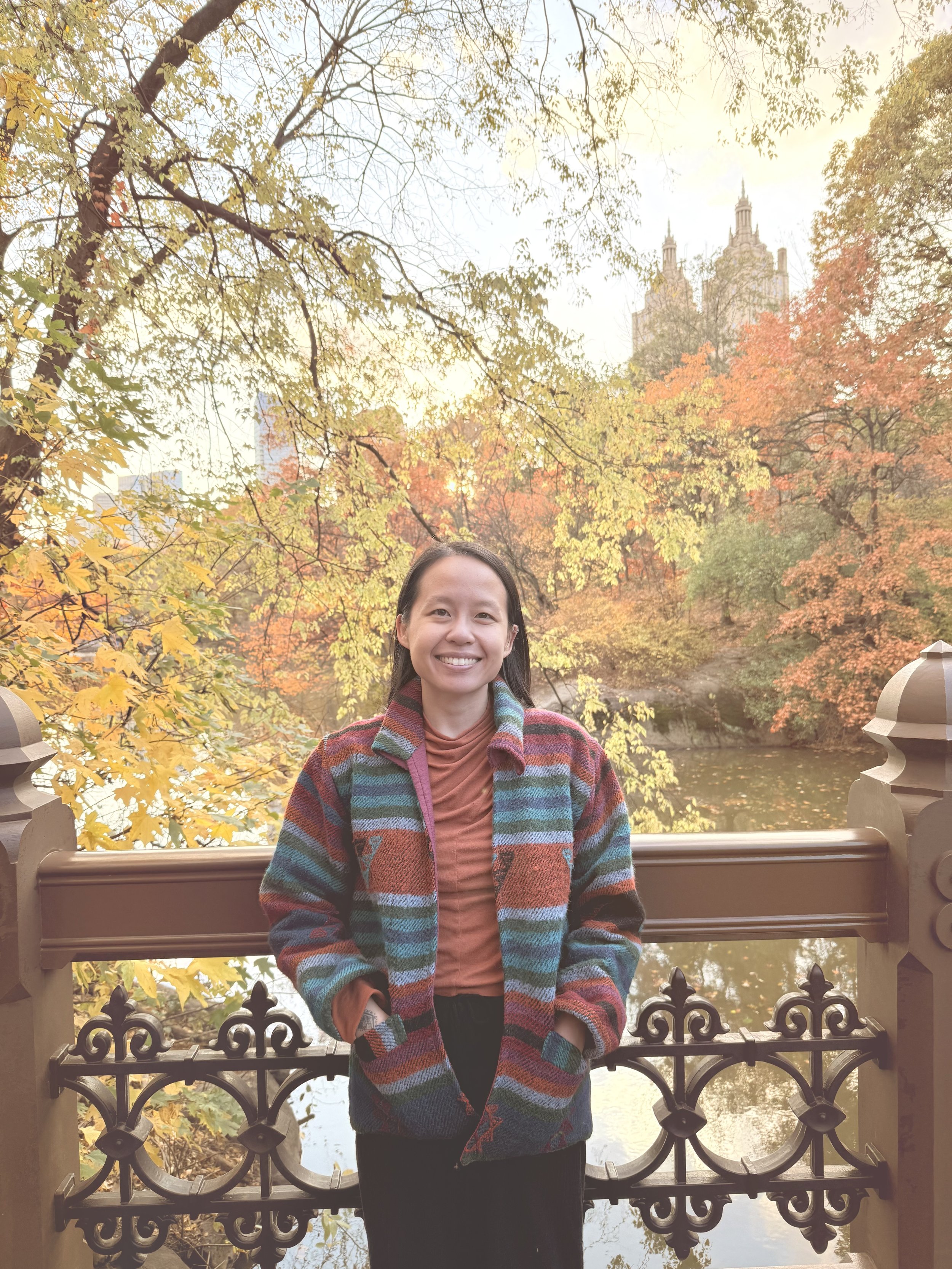
Liz Zhou (she/her) is a neurodivergent therapist, coach, and speaker. She helps highly sensitive, neurodivergent adults & couples heal their nervous systems and connect with their authentic selves, using brain-body modalities (Brainspotting, EMDR, IFS, Psychedelic Integration, Intensives) that are deeper & more effective than traditional talk therapy.