Giving & Receiving Care: The 5 Love Languages of Building Community
This is your (neurodivergent-friendly) guide to building community in a world that so desperately needs it. Let’s explore the 5 love languages of collective care — quality time, gifts, words of affirmation, collective presence, and acts of service.

Collective care in times of upheaval
Collective care refers to all the acts of care, the ways of being in relationship, and the supportive interactions that make up a community.
Collective care is the opposite of the “pull yourself up by the bootstraps” mentality. It’s about supporting each other & allowing ourselves to be supported when we need it.
Collective care recognizes that we need each other.
We’re wired to live in interconnected communities – as our ancestors & collectivist cultures have lived for generations.
In times of upheaval & injustice, collective care invites us to shift from despair to hope.
Despair sounds like: this is too much, I can’t handle this, what’s the point.
Hope sounds like: I’m not alone, we have each other, something better is possible.
What’s your capacity?
You can’t pour from an empty cup.
Collective care is most sustainable when we do it from a place of capacity.
We need to be mindful that the way we build community doesn’t simultaneously burn us out.
As I present the 5 love languages of building community, I invite you to consider your capacity right now. What aligns with your current energy levels? What do you have capacity for?
I also invite you to reflect on the experience of both giving and receiving care. After all, none of us are meant to only give, pouring endlessly from an empty cup. We are meant to care for each other, and to be cared for.
The 5 love languages of building community
You’ve probably heard of the 5 love languages in the context of romantic relationships. Developed by Gary Chapman, the idea is that each person gives & receives love in different ways – through quality time, gifts, words of affirmation, physical touch, or acts of service.
Now, let’s translate the love languages to community relationships – neighbors, friends, acquaintances, and more.
Quality time
🌇 Spend time in third spaces (a social setting outside of home or work).
Consider: libraries, bookstores, parks, cafes, gyms, community centers, coworking spaces, or the pool at your apartment complex.
Wherever people gather, there is the opportunity for connection. Third spaces allow for low-key community time, where people can come and go as they please, while enjoying the company of others.
Explore which spaces feel right for you. You might hate going to the gym, but love to linger at the library.
If in-person spaces aren’t accessible, safe, or comfortable for you, explore online third spaces – like co-working sessions on Zoom, virtual silent book clubs, or group chats.
📲 Stay in touch with your people.
Staying in touch can look a lot of ways – scheduling intentional time together to hang out, or sending a “this made me think of you” text and letting them know you care.
🌈 Join groups based on your special interests & skills.
…gardening, knitting, dancing, classical music, mystery books, meditation, hiking, or whatever lights you up.
You might resonate with groups that share aspects of your culture, spirituality, or identity (LGBTQ+, BIPOC, neurodivergent).
Ideally, this group would meet on a regular basis, since consistency of connection helps build community. If it’s a one-time event or workshop, you have the opportunity to keep in touch with folks afterward, of course.
If a group doesn’t exist around your specific interest, consider starting one!
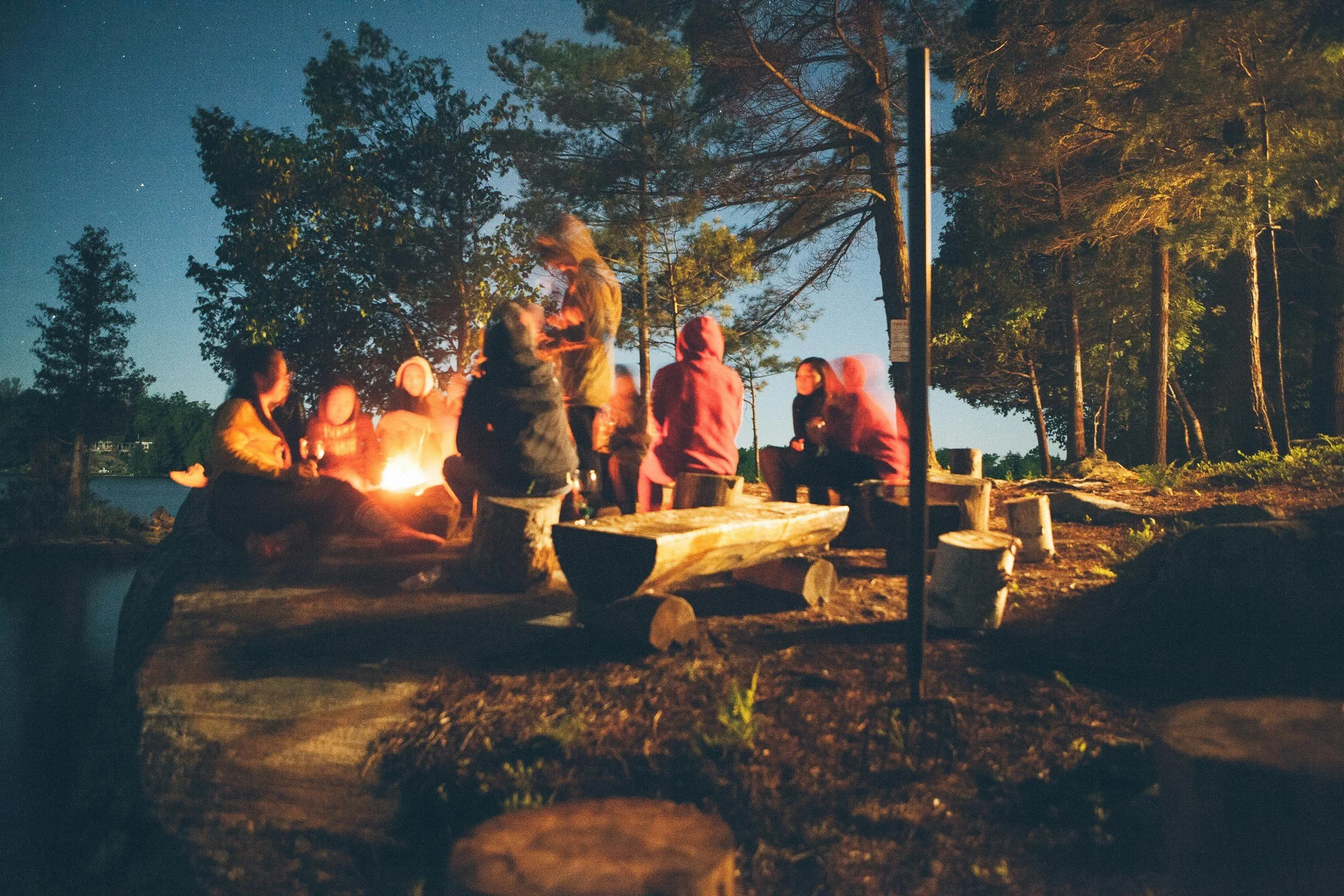
🫶🏽 Host community gatherings.
You don’t have to be the world’s biggest extrovert to host a community event. Gatherings can range from: a board game night at your best friend’s house; a crafternoon that you co-host with the library’s events department; or a book club that meets on Zoom once a month.
Gifts
📦 Share resources.
Instead of throwing your old lamp in the dump, post on your local “Buy Nothing” Facebook group to see if anyone wants to refurbish it.
💞 Engage in mutual aid – the collaborative exchange of resources & services, to support and be supported by community members.
If you’re not sure where to start, look up: “mutual aid in (YOUR CITY, STATE)” to learn more about the needs (and organizing that’s already happening) in your area.
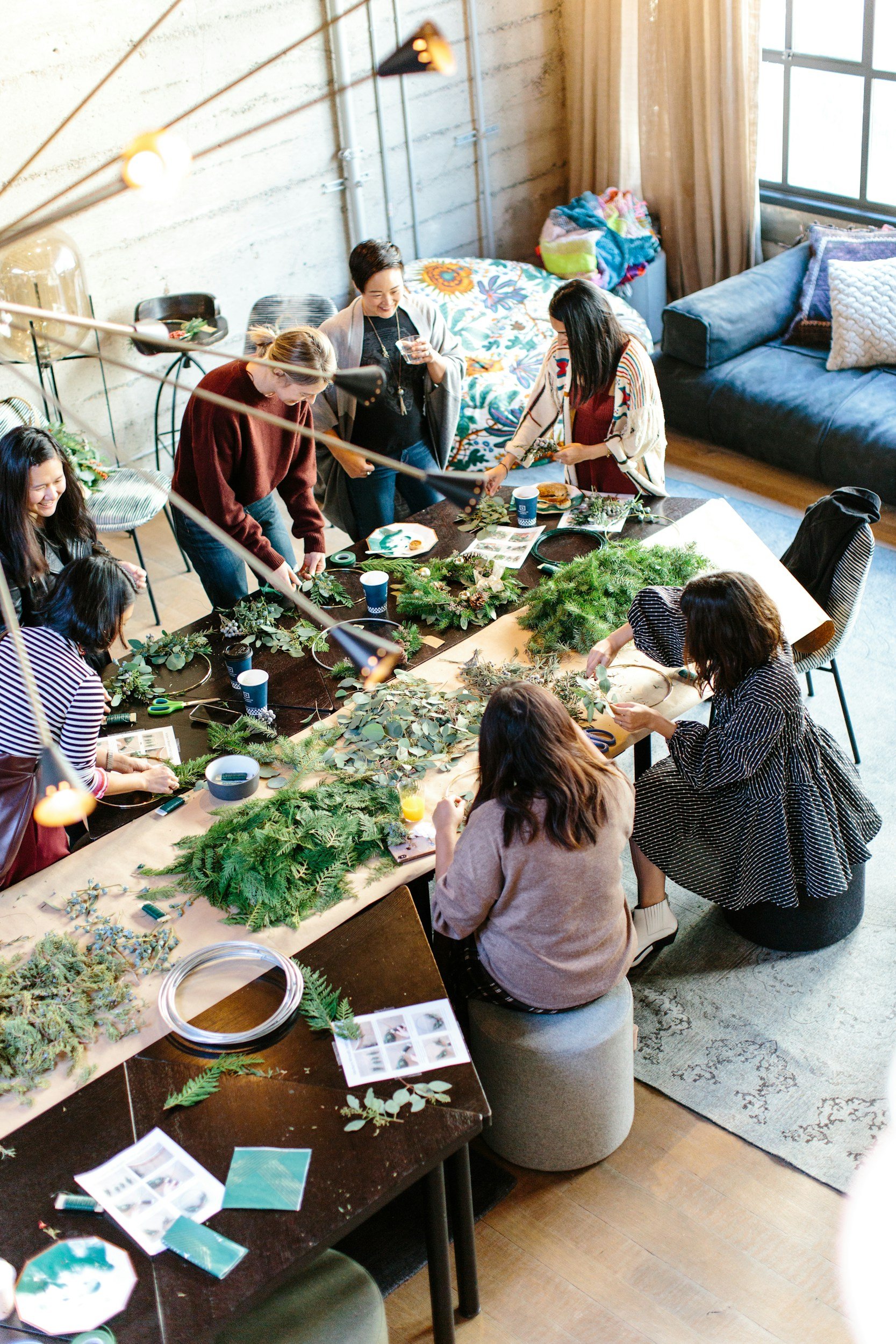
Mutual aid is rooted in solidarity, not charity.
Solidarity can take many forms: community pantries, free workshops where community members teach skills to each other, setting up bail funds for individuals, and more.
🔋 Contribute time, money, or energy to causes that you care about, as your resources allow.
If you’re in a position to contribute financially, consider setting aside a certain amount of money each month to a local organization that’s doing good work.
If you have time & energy, consider volunteering for a certain number of hours each month. Your presence is a gift.
🎁 Shop local as much as possible.
Circulate money within your community rather than handing it to corporations. Plus, you’ll get to know the people who grow your food, prepare your tea leaves, paint the art on your walls, and hand-craft your soap & candles with care.
Words of affirmation
💌 Thank someone for being in your life.
Reach out to someone you care about (friend, family member, acquaintance, neighbor of 10 years), or someone you admire (a mentor, friend, elder, community leader). Let them know you’re thinking of them, or that you appreciate them. Send them a card, email, or text; whatever medium makes sense. Sincere connection is a beautiful way to build community.
💬 Leave a thoughtful online review for a local business that you appreciate.
Then, share their link in a local Facebook group, or in a text thread with your neighborhood friends.
You’ll be spreading the word about something positive in the community, and sending business their way – which supports the previous point: to shop local as much as possible. This is especially supportive for BIPOC-, LGBTQIA+, and immigrant-owned businesses, as well as businesses that are actively supporting marginalized communities.
Collective presence
(originally: physical touch)
While the traditional love languages mention physical touch as a way to give & receive love in a romantic context, the community care version of love languages acknowledges that physical touch isn’t always preferred, safe, or accessible – so we’re reframing this love language as collective presence.
🧘🏽♀️ In the safe presence of others, we experience our interconnectedness. Our nervous systems naturally co-regulate, like they’re syncing to the same beat.
Collective presence might look like:
attending a group yoga class & feeling more peaceful afterward
spending time in a public library & co-regulating through shared stillness
group activities – walking, hiking, singing, dancing, meditating, praying
interacting with animals & humans simultaneously – e.g., watching your dogs meet at the park, or petting cats at the cate cafe – and experiencing multiple nervous systems co-regulating around the shared experience of play.
Acts of service / solidarity
🦄 What are your skills & gifts, and how might you use them to serve your community?
Here are some ideas:
If you’re a pro in the kitchen: you could cook for a meal train for your neighbor who is grieving right now; or bake bread for a community fridge.
If you love spreadsheets: you could help with the admin side of mutual aid projects.
If you’re multilingual: you could translate flyers for a local grassroots organization, or help a neighbor navigate an appointment at the immigration court.
If you’re good at breaking down complex topics into simple language: you could create summaries of essential community education, like Know Your Rights handouts.
If you’re social media-savvy: you could help a local grassroots organization by setting up their Instagram account & teaching them how to run it.
If you’re an artist: you could make high-quality, eye-catching signs for a protest.
If you’re interested in joining a grassroots movement to elect progressive leaders & rebuild democracy in the United States, get involved with your local Indivisible group.
…and so, so much more. Be creative, and work within your capacity.
REFLECTION QUESTIONS
What is your experience of the 5 love languages of community-building – quality time, gifts, words of affirmation, collective presence, acts of service?
Which language comes most naturally to you? What feels familiar? What feels unfamiliar?
How do you express care to your community? What do you have capacity for? What do your resources allow?
How do you wish to receive care from your community? What would feel good, supportive, or nourishing for you?
Looking for a neurodivergent therapist who specializes in supporting neurodivergent adults?
Online Therapy in Colorado | Coaching Worldwide
Helping highly sensitive, neurodivergent adults heal their nervous systems & connect with their authentic selves.
About the Author
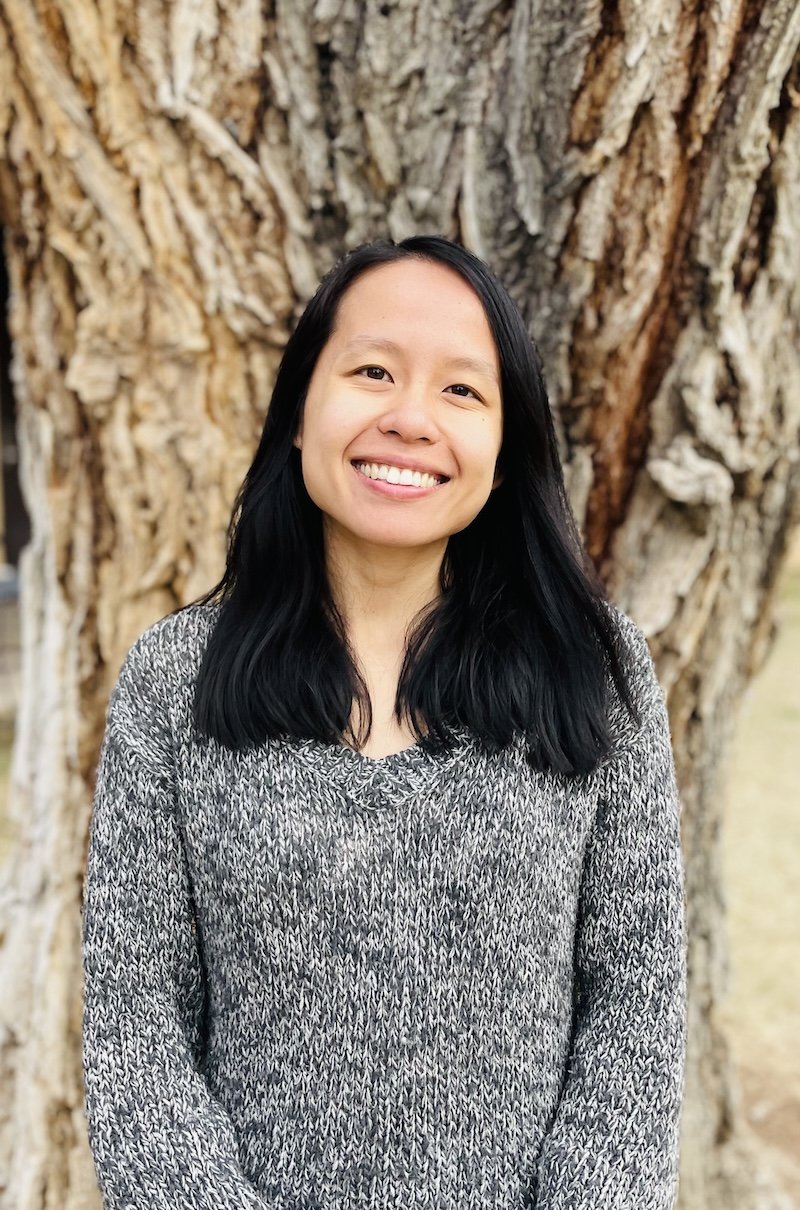
Liz Zhou (she/her) is a neurodivergent therapist, coach, and speaker. She helps highly sensitive, neurodivergent adults & couples heal their nervous systems and connect with their authentic selves, using brain-body modalities (Brainspotting, EMDR, IFS, psychedelic integration) that are quicker & more effective than traditional talk therapy. Liz offers Nervous System Healing Intensives online worldwide.