
Liz Zhou
Holistic Trauma Therapist, Coach, Speaker
BLOG
I help highly sensitive, neurodivergent adults & couples heal their nervous systems & connect with their authentic selves.
WHAT WOULD YOU LIKE TO LEARN ABOUT?
♡ FEATURED BLOGS ♡




♡ BROWSE THE LIBRARY ♡

3 Questions to Ponder if You Discovered Your Neurodivergence (Autism & ADHD) Later in Life
If you recently realized that you’re autistic, ADHD, or AuDHD, it may feel like you’re getting to know yourself for the first time. This blog post is meant to affirm you & inspire curiosity and self-compassion… wherever you are in your journey of unmasking.
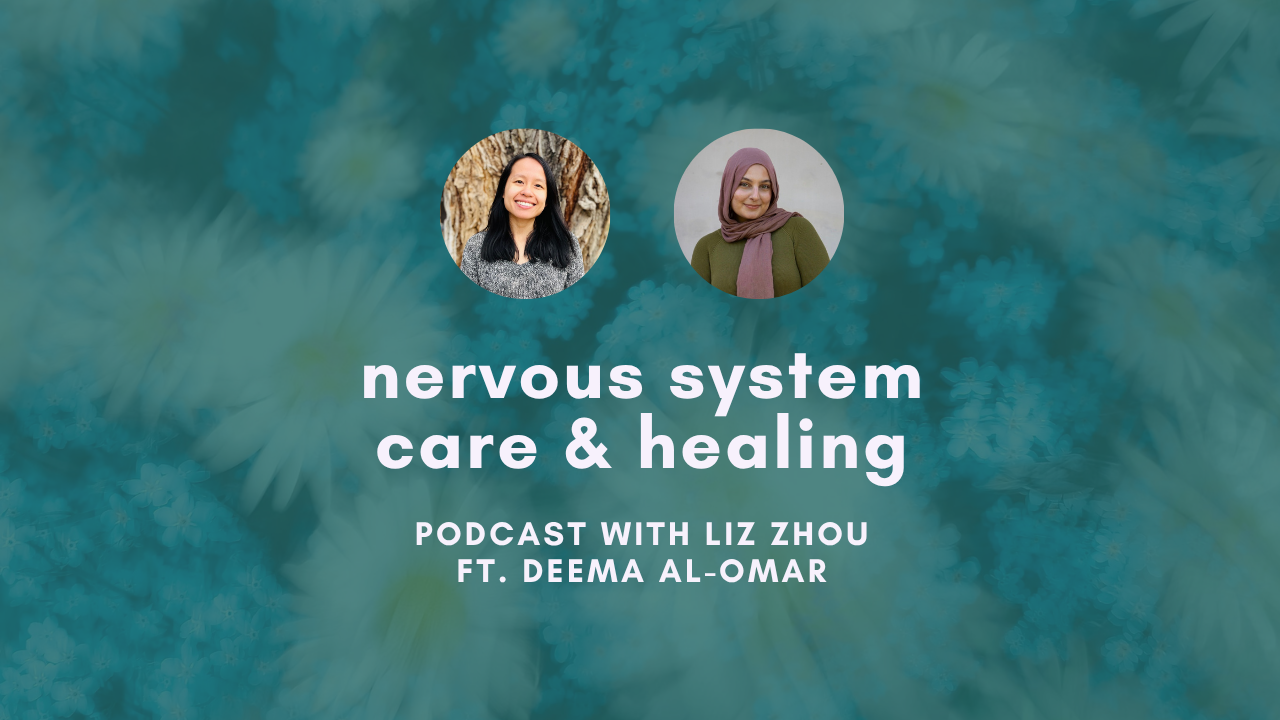
ADHD Nervous System Regulation: Why We Need More than “Tips, Tricks, & Hacks”
ADHDers need more than planners, apps, & executive functioning “hacks” in order to move sustainably through this world. Though all these tools can absolutely be helpful, they do not address the root causes of nervous system dysregulation & ADHD burnout. Join me & Deema Al-Omar in an enlightening conversation that just might change the way you understand (& take care of) your ADHD brain.

Depth vs. Breadth of Attention: How Many Tabs Do You Have Open?
When attention has breadth, it flows in different directions, responding to whatever is most interesting / urgent in the moment. When attention has depth, it burrows deeply into a single point of focus for a sustained period of time.

What is Neurodiversity-Affirming Care? | Differences are Not Deficits
The care you receive – whether in therapy, coaching, or other healing spaces – shouldn’t require you to mask. It should allow space for your authentic self, autonomy, and choice in every step of the process.

Nervous System Tips for Neurodivergent Folks in Burnout & Meltdown Mode
As neurodivergent (autistic, ADHD, highly sensitive) people, we face an uphill battle when it comes to regulating our nervous systems: the stressors of everyday life, the weight of collective traumas, and a world that wasn’t built for our wiring.
For Neurodiverse Couples: 8 Tips for Healthy Conversations about Money
What if financial conversations could feel compassionate, curious, and connecting? (Instead of devolving into arguments and frying your nervous systems.) Here’s a neurodivergent-friendly guide to talking to your partner about money – in a way that works with your brains and brings you closer together.

Brainspotting Therapy = Staring Off into Space?
Holistic therapist, Liz Zhou, explains Brainspotting therapy in simple terms. Learn how to heal from painful experiences — without having to talk the whole time.

Giving & Receiving Care: The 5 Love Languages of Building Community
This is your (neurodivergent-friendly) guide to building community in a world that so desperately needs it. Let’s explore the 5 love languages of collective care — quality time, gifts, words of affirmation, collective presence, and acts of service.

Healing Complex Trauma as a Neurodivergent Person: The Speed of Trust
Here’s what it means to trust our nervous systems — even if healing feels unbearably slow sometimes. Neurodivergent therapist Liz Zhou shares insights on healing complex PTSD.

Neurodivergent Pep Talk: There’s Nothing Wrong with Being Different
The world needs many different types of people... because if we were all the same, how boring would that be? Neurodivergent therapist, Liz Zhou, shares affirmations for autistic, ADHD, and highly sensitive folks.

For Autistic (or Multiply Neurodivergent) Adults: Benefits of Working with an Autistic Therapist
We understand that therapy for autistic people is not about “fixing your brain,” “curing autism” or “making you less neurodivergent.” It’s about supporting your full, authentic self.

For Late-Diagnosed Autistic Adults: How to Unmask after a Lifetime of Masking
Once you discover your neurodivergence, you may realize how much you’ve been hiding your true self. Let’s explore 5 types of unmasking, so you can live a more comfortable and authentic life.