Depth vs. Breadth of Attention: How Many Tabs Do You Have Open?
This text originally appeared in Liz’s Neurodivergent Letters, an affirming weekly email series for highly sensitive, neurodivergent adults who feel burnt out from wearing masks all day & are re-learning who they really are.

While scrolling on my phone last night, I counted 26 tabs / apps open and running the background.
26!!!
Favorites include: my beloved astrology app; my YNAB (You Need a Budget) app that I swear by; recipes ambitiously bookmarked for “later”; and my clock app, where I set alarms to prepare me for the next alarm. (8:00am - soft wake up, 9:00am - seriously, wake up now.)
The sheer number of tabs made me realize just how many directions my attention is pulled these days.
It also made me reflect on the breadth and depth of our human attention span.
🌀 When attention has breadth, it visits different places and flows in different directions, shifting course and responding to whatever is most interesting / urgent / loud in the moment.
(Like when you’re scrolling on your phone, get a notification, switch to another tab; then the doorbell rings, your dog barks, and you have to get up; then your oven timer goes off; and so on.)
⭕ When attention has depth, it burrows deeply into a single point of focus for a sustained period of time.
(Like when you’re absorbed in a project or a really good conversation, and hours pass by that feel like minutes.)
In our fast-paced world, a breadth of attention is necessary in order to keep up with everything (your to-do list, your notifications, your inbox, what’s happening in your personal life, what’s happening in the world).
It seems to take intentional effort to enter a state of deep, sustained, uninterrupted attention — to close all the tabs in your brain except for just 1.
I believe that our brains benefit from practicing both breadth and depth of attention — because both are needed, and both bring unique types of joy & knowledge.
If you feel like you have 26 tabs open right now, I want to share some ways that I’m exploring depth of attention:
📚 reading books as a daily ritual (because the sensory experience of flipping through pages, and moving my eyes bilaterally across the page, slows down my nervous system & makes me feel more present)
🧠 not rushing to Google answers to questions that don’t require an immediate answer, but letting my brain ponder for a bit instead
📱 leaving my phone in the other room, and noticing where my attention goes when I don’t have a screen filled with endless entertainment in front of me
🧶 exploring new hobbies (like pottery and fiber arts), which require my full attention because I’m new at them and can’t just zone out or multi-task
These are some ideas that helped my brain. Your brain might be similar, or different.
So, why is this important?
Because your attention is valuable, and you have the right to decide how to spend it.
In a state of deep, sustained attention, you might notice that:
⭕ There’s more space between your thoughts.
⭕ It’s easier to listen to quiet messages from your nervous system (like calls for rest, which you might not hear if your attention is moving around quickly).
⭕ The information that you consume through your breadth of attention (like the news article you read earlier this week, or the text message that you’re still processing from this morning), is able to be integrated & understood more deeply.
How do you want to spend your attention today?
With care,
Liz
Liked this blog post?
Subscribe to Liz’s Neurodivergent Letters to receive these reflections directly in your inbox.
Interested in working together?
Online Therapy in Colorado | Coaching Worldwide
Helping highly sensitive, neurodivergent adults heal their nervous systems & connect with their authentic selves.
About the Author
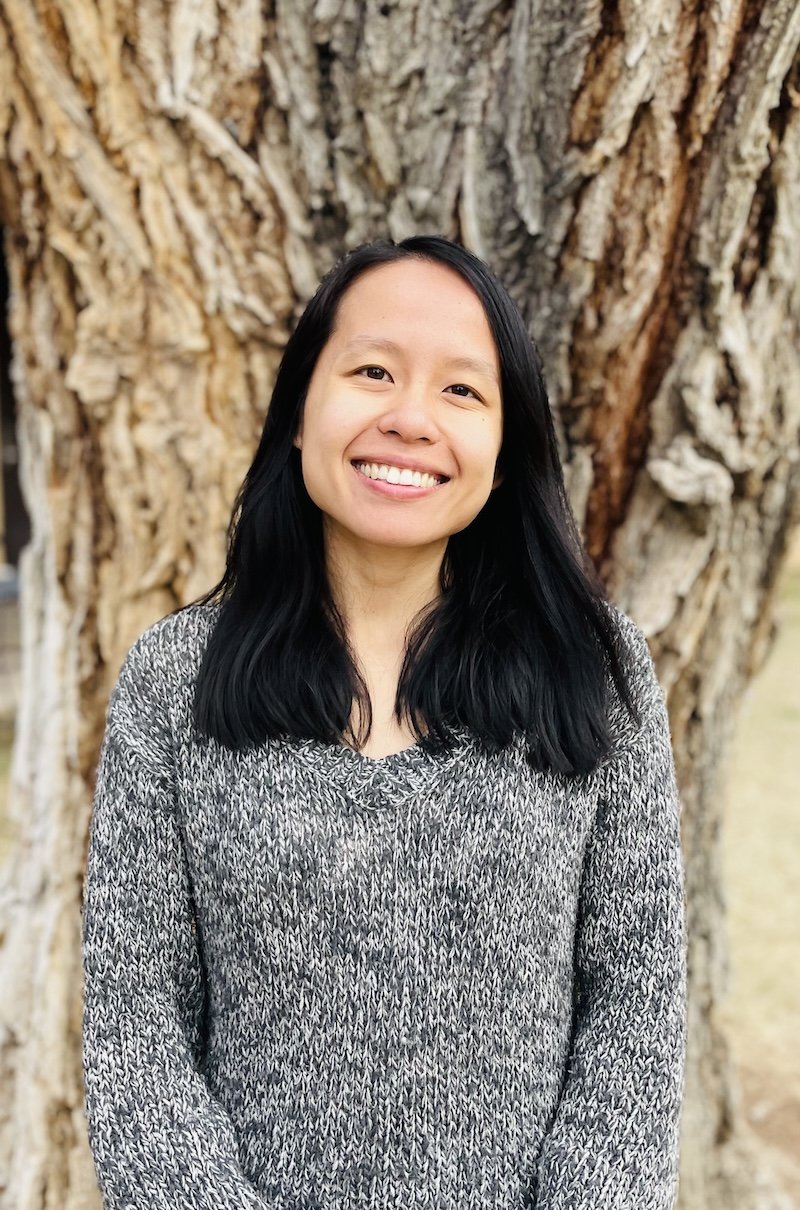
Liz Zhou (she/her) is a neurodivergent therapist, coach, and speaker. She helps highly sensitive, neurodivergent adults & couples heal their nervous systems and connect with their authentic selves, using brain-body modalities (Brainspotting, EMDR, IFS, psychedelic integration) that are quicker & more effective than traditional talk therapy. Liz offers Nervous System Healing Intensives online worldwide.