Brainspotting Therapy = Staring Off into Space?
Holistic therapist, Liz Zhou, explains Brainspotting therapy in simple terms. Learn how to heal from painful experiences — without having to talk the whole time.
This text originally appeared in Liz’s Neurodivergent Letters, an affirming weekly email series for highly sensitive, neurodivergent adults who feel burnt out from wearing masks all day & are re-learning who they really are.

When people ask me what Brainspotting therapy is and how it works, I have a couple different responses.
The first is the clinical answer: “Brainspotting is a trauma-informed modality that uses fixed eye positions to facilitate deep healing and processing in the brain, by bringing unconscious thoughts, feelings, and memories into conscious awareness.”
And if you’re thinking, hmm, okay, but what does that actually mean?, then you might find my second response more helpful.
Instead of just telling you what Brainspotting is, let me show you.
As an experiment… try to recall what you ate for dinner last night.
Now, where do your eyes look as you recall this experience?
(For me, I ate spaghetti for dinner last night, and my eyes look to my upper right as I remember that. What about you?)
Now, if I ask you, what’s your favorite animal?… what comes to mind, and where do your eyes look?
(For me, my eyes looked downward, and I think about cats and feline creatures. What about you?)
What am I trying to show you here? Brainspotting is based on 1 simple idea: where you look affects how you feel. And how you feel, or what you’re thinking about, affects where you look.
So, what does all this have to do with therapy & healing?
In a Brainspotting session, we’d focus on a topic that you want to process – probably something a little deeper than what you ate for dinner last night or what your favorite animal is, and more along the lines of childhood experiences or the thing that’s been stressing you out for ages.
Then, we’d find the exact spot in your field of vision that connects you to that topic. You would stare at that spot for as long as your brain needed to process — seconds, minutes, or even the better part of an hour. And you would let your brain process whatever comes up — random thoughts, images, feelings.
(When I’ve done my own Brainspotting sessions, I’ve felt heavy emotions become lighter in my body; connected with the presence of my ancestors; and become aware of truths in a clear & unflinching way. And all because I stared at a point in space for minutes/hours!)
Compared to other types of therapy, Brainspotting is less about talking and more about feeling to heal. Instead of rushing to fill long pauses of silence, we let silence linger so that you can stare at your Brainspot, without worrying about seeming “awkward.”
The way I see it, we’re often Brainspotting in everyday life without even realizing it — like when we stare off into space, mulling over something, and lose track of time for a few minutes.
When we’re gazing at the clouds, stars, or sunset, deeply feeling something, that’s also a form of Brainspotting.
Sometimes, I like to stare at my cats as they nap in the sun; random thoughts pass through my mind, and suddenly my body sighs or seems to “release” something. In those moments, I realize I’m Brainspotting.
Maybe you have moments like that, too.
Our brains are always working for us, and that’s what Brainspotting helps me remember. So next time you catch yourself staring off into space, lost in thought, don’t cut yourself off — let your brain do its own thing. You just might be Brainspotting.
Talk soon,
Liz
Liked this blog post? Subscribe to Liz’s Neurodivergent Letters to receive these reflections directly in your inbox.
Looking for a neurodivergent therapist, trained in Brainspotting, who specializes in supporting neurodivergent adults?
Online Therapy in Colorado | Coaching Worldwide
Helping highly sensitive, neurodivergent adults heal their nervous systems & connect with their authentic selves.
About the Author
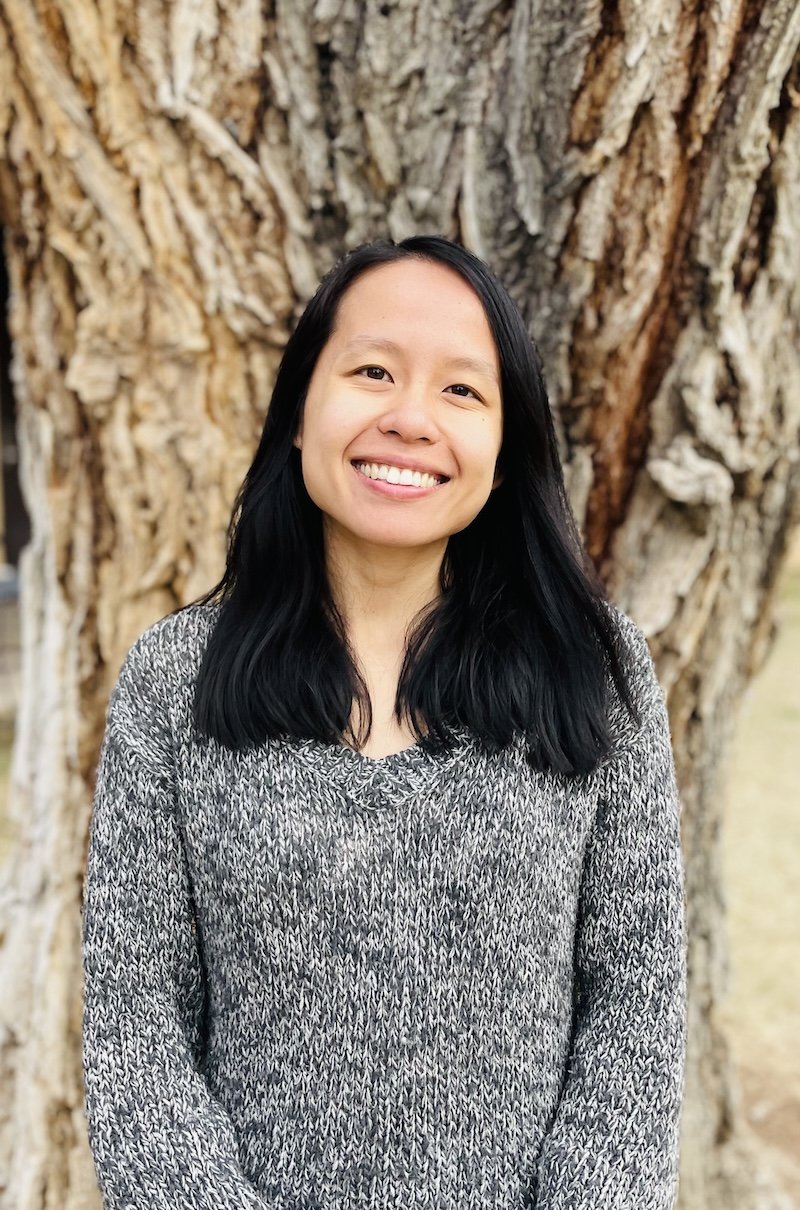
Liz Zhou (she/her) is a neurodivergent therapist, coach, and speaker. She helps highly sensitive, neurodivergent adults & couples heal their nervous systems and connect with their authentic selves, using brain-body modalities (Brainspotting, EMDR, IFS, psychedelic integration) that are quicker & more effective than traditional talk therapy. Liz offers Nervous System Healing Intensives online worldwide.