Self- & Co-Regulation: Our Nervous Systems Need Both
🎙️ This is an episode of the Nervous System Care & Healing Podcast with Liz Zhou, a therapist specializing in neurodiversity, complex trauma, & psychedelic integration.
If you prefer to listen & watch, press play on the video above.
If you prefer to read, keep scrolling to the transcript below.
-
Nervous system regulation is the capacity to shift states - from dysregulated, overwhelmed, and disconnected, to regulated, grounded, and connected. It’s a skill that we can develop & strengthen across time, and that allows us to build healthy relationships - with self, others, & the world.
This episode shares options for nervous system regulation - self-regulation & co-regulation.
We’ll cover these topics:
What is self-regulation?
What is co-regulation?
Why we need both self-regulation & co-regulation practices: experiences of healthy connection & co-regulation teach our nervous systems how to self-regulate
How childhood experiences impact nervous system development (& why none of us are “doomed” by the past - our nervous systems are malleable, and capable of change, healing, and rewiring across time)
Nature offers opportunities for non-human relationship, connection, & co-regulation - which is helpful if you don’t feel safe to co-regulate with other humans
-
What does “nervous system regulation” mean?
When I use this term, I’m referring to the nervous system’s capacity to move through different experiences, including difficult emotions, without getting stuck in any one state forever. It’s the capacity to move in & out of the window of tolerance - which is the window of experiences that we can comfortably tolerate without becoming overwhelmed.
When we’re regulated, it means we’re able to be present with the experience we’re in right now; we’re in our window of tolerance.
When we’re dysregulated, it means that the experience is too overwhelming & we’ve left our window of tolerance. We might feel disconnected, dissociated, shut down, anxious, or on edge.
Our goal isn’t to be regulated all the time, because that’s unrealistic. Our goal is to develop the capacity to come back to our window of tolerance if we leave that window; teaching our nervous systems how to shift states, from dysregulation & disconnection toward regulation, calm, and connection.
There are different ways to regulate the nervous system. One way is self-regulation; the other is co-regulation.
What is nervous system self-regulation?
Self-regulation refers to activities, practices, or strategies that we can use with ourselves, internally & individually, to care for the nervous system.
For example:
Going on walk
Journaling
Listening to song
Taking a bath or shower
Breathing exercise
Engaging in a spiritual practice that centers you & connects you to yourself
These are things that each person can choose to do, on their own, solo, and it can help them feel more grounded & regulated.
In Western mental health spaces, sometimes self-regulation is so emphasized that it can start to seem like self-regulation is the only way, and is the answer to everything. This reflects the individualistic values of our Western society.
In its most extreme form, the language of self-regulation can start to mirror the capitalistic language of “you just need to pull yourself up by your bootstraps!”
I want to encourage that we avoid this type of extreme mentality.
Why?
Because the way that we develop the skill of self-regulation is actually through co-regulation.
What is nervous system co-regulation?
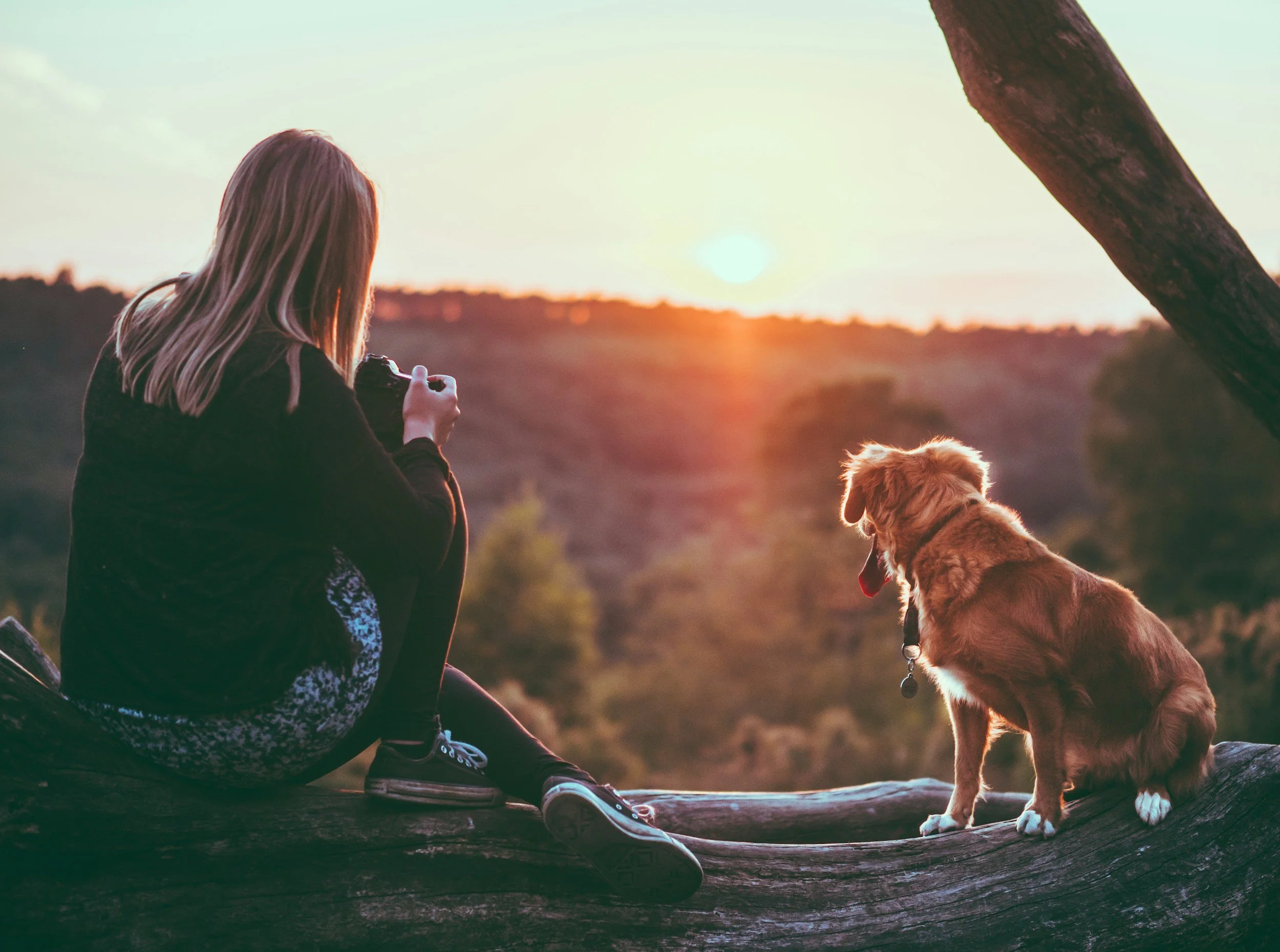
Co-regulation happens when we’re in the presence of other nervous systems - whether that’s a human or non-human nervous system, like an animal or pet.
We’re able to regulate through a shared experience - sharing energy, sharing space, doing a shared activity together.
For example:
Gathering with friends to hang out & make crafts together
Going on a group hike
Having a meditation group that you practice with
Cuddling with your pet
Cuddling with your partner
Reading books in the library around people, in a quiet & peaceful setting
Talking on the phone with your best friend
Attending an online art class
Here’s analogy for co-regulation:
If you’re in an orchestra, there’s always an instrument (the first violin) that plays a note out loud, for a sustained period of time, so everyone else in the orchestra can tune themselves to that note.
When we co-regulate with others, it can feel like our nervous systems are literally harmonizing or tuning along to someone else’s energy.
You might notice you feel less calm & more overwhelmed around certain people, at certain times.
The opposite can also happen - where you feel more calm, grounded, and comfortable in the presence of certain people, at certain times. This latter example is co-regulation.
Experiences of co-regulation should ideally happen from birth - between mother & baby, parent & child, caregiver & child.
The way we learn what regulation feels like is by being in the presence of attuned, attentive caregivers.
The nervous system of the mom/parent/caregiver serves as a foundation for the baby’s developing nervous system - the child can borrow the regulation of the adult’s nervous system, borrow their steady presence, borrow their calm breathing.
If we don’t receive co-regulation in our early environment - if you grew up in a chaotic environment; if the people around you were dysregulated, or even harmful or abusive - that can disrupt the development of the capacity of self-regulation.
It doesn’t mean we’re doomed - it means we need to learn & practice those skills at some later point - perhaps through relationships with friends & partners; through connection with mentors & trusted figures in our life.
Therapy is a space where people can experience co-regulation in the safe presence of another person. Through consistent co-regulation, the skill of self-regulation naturally emerges.
To recap: co-regulation often happens with other humans, animals, or pets.
But what if other people/animals aren’t available to co-regulate with?
What if…
you don’t feel safe around other people?
you don’t have pets?
you don’t like to be around animals?
Then what?
We can look to other forms of non-human connection, and explore co-regulation with nature / earth / land.
What is co-regulation with nature?
Nature is alive & living. The trees around you are living beings. The flowers are alive. Mushrooms are alive. Though they don’t have nervous systems the way humans do, we can still experience regulation in our own nervous systems - through sharing presence with these living beings.
Studies have shown that:
Spending as little as 20 minutes in a green space can lower cortisol levels (a type of stress hormone in the body).
Listening to birdsong activates the parasympathetic nervous system, which is responsible for the rest & digest response. (This makes sense: if the birds are chirping, it means there isn’t an immediate physical threat nearby, because the birds feel safe enough to sing. Our neurobiology is inherited from ancestors who lived in connection with nature & whose nervous systems experienced co-regulation with birds.)
The compounds released by trees can reduce blood pressure levels & benefit our immune systems.
People living near trees have better amygdala activity - meaning, the part of your brain that processes fear becomes less reactive & more regulated.
Beyond the scientific facts, though, I want to bring this back to what we intuitively know and sense as human beings on this earth.
When we’re in nature, our bodies typically feel more relaxed. Our thoughts can slow down and settle. We have space to just be and to exist.
Nature-based co-regulation can look like: sitting next to a creek, journaling under a tree, hiking through the mountains, walking in the park, breathing in fresh air, planting seeds in the garden… and any other connection with the elements, the landscape, and the Earth.
“Am I too co-dependent?” (Why we need a balance of co-regulation & self-regulation)
As a therapist, sometimes I hear people express fear/concern of being “too co-dependent” - of not wanting to depend entirely on someone else in order to regulate & feel okay.
That’s an understandable concern: if we’re always turning to one option to co-regulate, then we’re in a tough spot if that source of regulation becomes unavailable - if the friend that you call when you’re spiraling doesn’t pick up or text back right away; if you want a hug or a deep conversation with your partner but they’re not available to connect with you in that way (maybe because they’re dealing with their own emotions right now).
If we never develop a capacity for self-regulation because we’re always using co-regulation, then that can get tricky - though again, I want to acknowledge that the instinct to co-regulate (to be in presence & connection with other nervous systems) is a very human urge.
It’s helpful to have options for self-regulation and co-regulation, and to have balance between the two. Co-regulation feeds our capacity for self-regulation, and self-regulation ensures that we can take care of ourselves when co-regulation isn’t available or desirable.
REFLECTION QUESTIONS:
What do you notice about your nervous system? What dysregulates you, what regulates & resources you, what pulls you out of your window of tolerance & what brings you back in?
What does self-regulation look like for you?
What does co-regulation look like for you?
What does your nervous system need right now, and what are the options to access what you need?
If you are experiencing burnout, anxiety, or trauma, and need help taking care of your nervous system, I’d love to support you.
Online Therapy in Colorado | Coaching Worldwide
Helping highly sensitive, neurodivergent adults heal their nervous systems & connect with their authentic selves.
About the Author
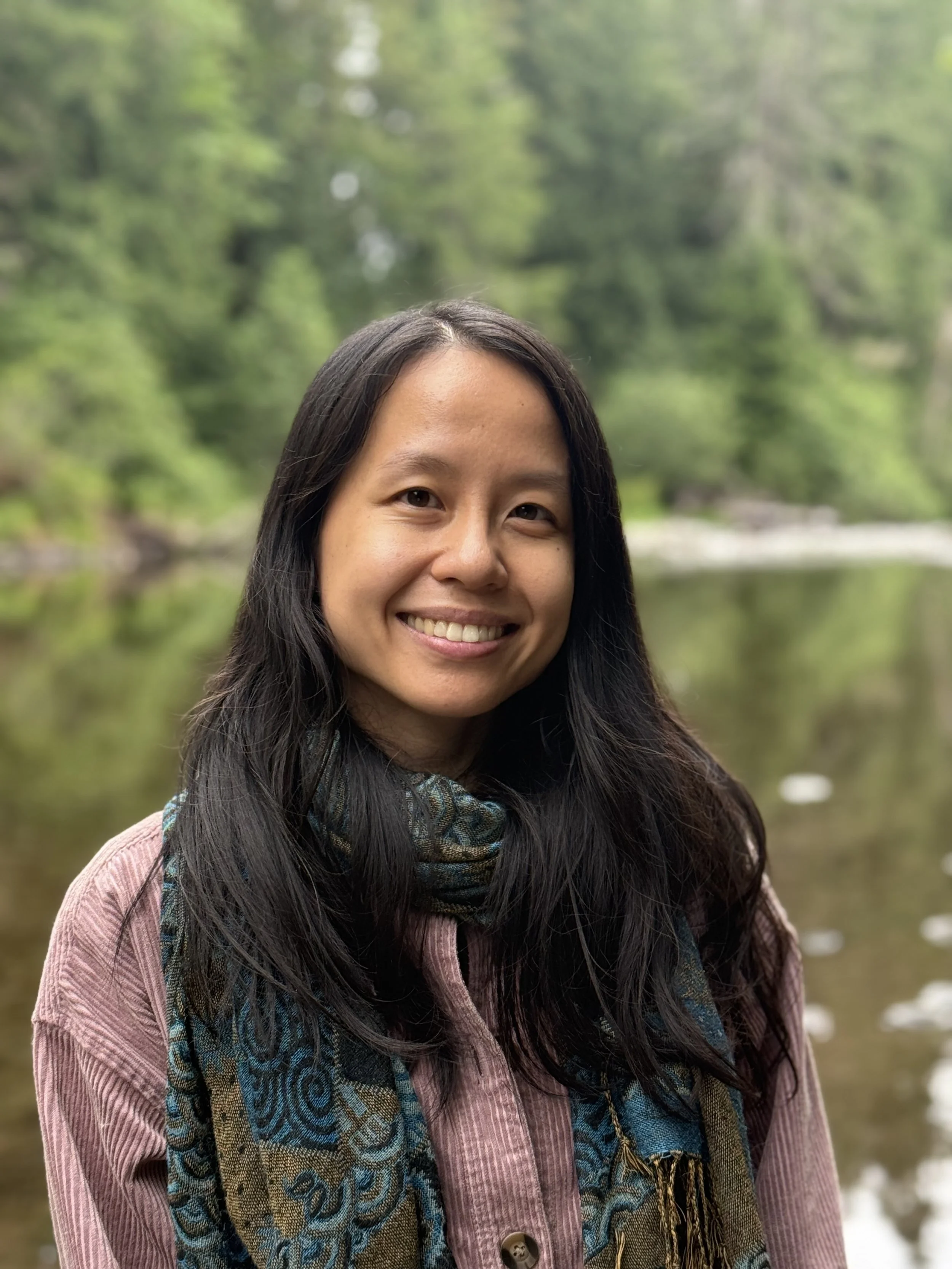
Liz Zhou (she/her) is a neurodivergent therapist, coach, and speaker. She helps highly sensitive, neurodivergent adults & couples heal their nervous systems and connect with their authentic selves, using brain-body modalities (Brainspotting, EMDR, IFS, psychedelic integration) that are quicker & more effective than traditional talk therapy. Liz offers Nervous System Healing Intensives online worldwide.