
Liz Zhou
Holistic Trauma Therapist, Coach, Speaker
BLOG
I help highly sensitive, neurodivergent adults & couples heal their nervous systems & connect with their authentic selves.
WHAT WOULD YOU LIKE TO LEARN ABOUT?
♡ FEATURED BLOGS ♡




♡ BROWSE THE LIBRARY ♡

Embracing Cycles & Seasons to Deconstruct from Capitalism (& Live Fully)
If you’ve ever criticized yourself for being “lazy” or “unproductive,” you may be struggling to conform to capitalistic standards of productivity. But that doesn’t mean there’s anything wrong with YOU - it means you’re navigating a system that wasn’t built to account for your full humanity (like your body’s need for rest).

A Gentle Practice to Soothe the Nervous System
Our nervous systems communicate in different “languages,” and one of those languages is sensation - like muscle tension, heart rate, breathing patterns, and other internal bodily experiences. Learn how to use the language of sensation to soothe & resource the nervous system.

Self- & Co-Regulation: Our Nervous Systems Need Both
Nervous system regulation is the capacity to shift states - from dysregulated, overwhelmed, and disconnected, to regulated, grounded, and connected. This blog post shares options for self-regulation (things you do by yourself) & co-regulation (things you do with others - whether humans, animals, or nature).

What Death Doula Work Teaches Me About Life
When we acknowledge the one certainty in life - that our days on earth are finite - we free ourselves to live more presently & authentically in the now.

The Link Between Creativity & Healing
What if we saw creativity as not just a nice-to-have extra thing, but as an essential part of the human experience & the healing process? What if we nurtured creativity as a stepping stone to world-building & collective liberation?

3 Questions to Ponder if You Discovered Your Neurodivergence (Autism & ADHD) Later in Life
If you recently realized that you’re autistic, ADHD, or AuDHD, it may feel like you’re getting to know yourself for the first time. This blog post is meant to affirm you & inspire curiosity and self-compassion… wherever you are in your journey of unmasking.
ADHD Nervous System Regulation: Why We Need More than “Tips, Tricks, & Hacks”
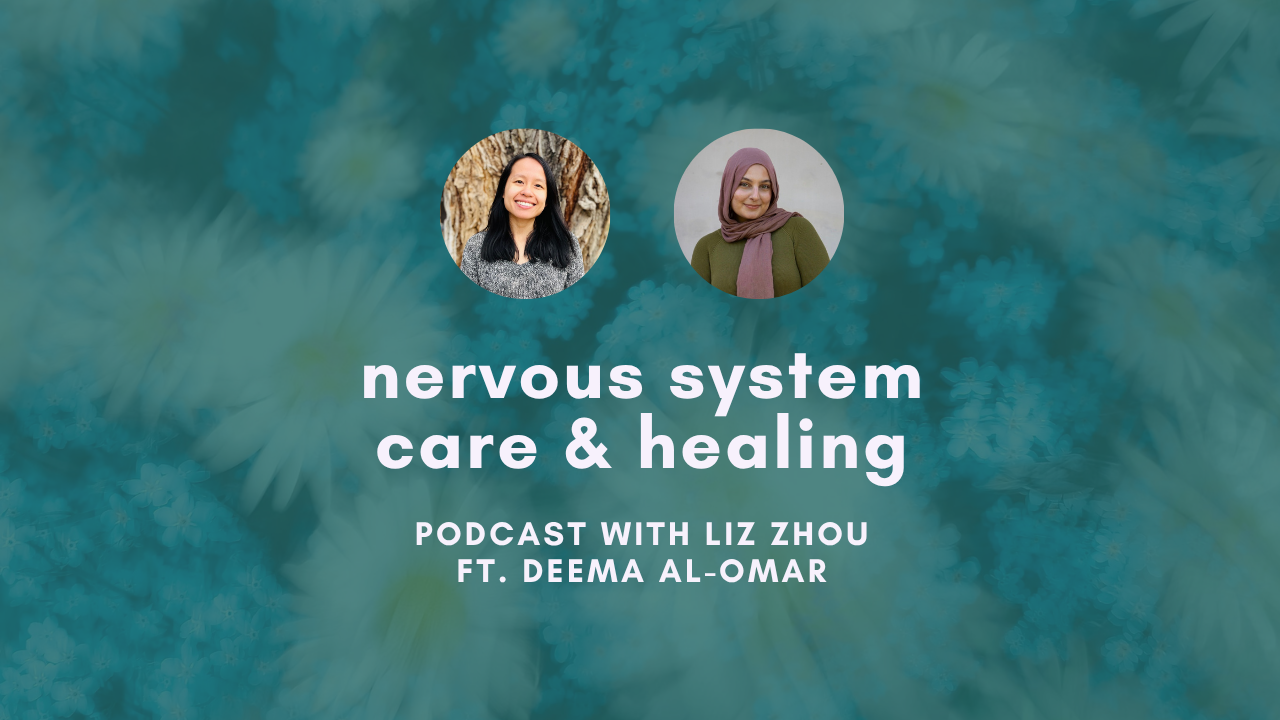
ADHDers need more than planners, apps, & executive functioning “hacks” in order to move sustainably through this world. Though all these tools can absolutely be helpful, they do not address the root causes of nervous system dysregulation & ADHD burnout. Join me & Deema Al-Omar in an enlightening conversation that just might change the way you understand (& take care of) your ADHD brain.

How to Build a Nervous System Care Plan: The 8 Senses
If you’re a sensitive or neurodivergent person who struggles to regulate your nervous system, often experiencing burnout, meltdowns, & sensory overload… this blog post is for you. I’ll share practical info on how to care for your nervous system, focusing on the 5 senses (sight, sound, smell, touch, & taste) and beyond (proprioception & intuition).

The Brain on Psychedelic Medicines: Myths & Facts
Are psychedelics a magic pill… or will they fry your brain? The truth is nuanced: psychedelics are helpful for some people & unhelpful for others. Whether you’re curious about psychedelic-assisted therapy, or skeptical about all the hype, this post is here to inform you (without fear-mongering or sugarcoating).
Decolonial & Ancestral Healing through Psychedelic Medicines
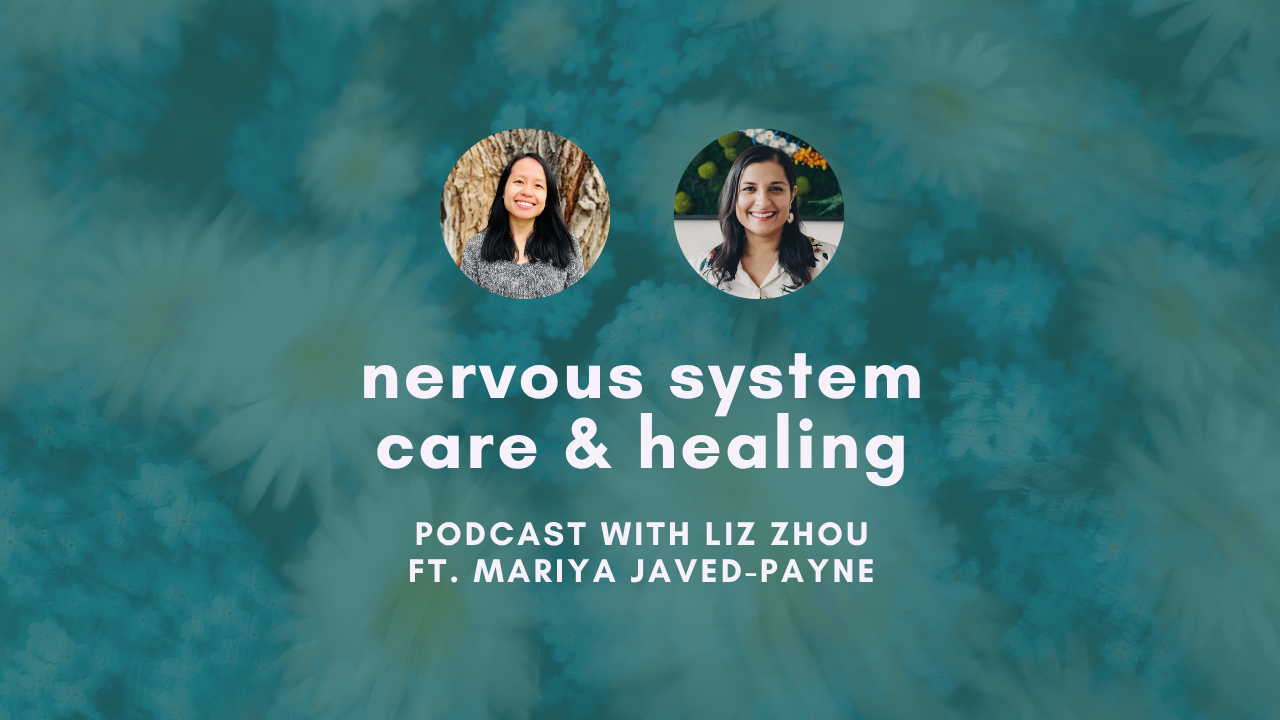
Though psychedelic medicines are often presented as a “quick fix” or “magic pill” in mainstream Western culture, the truth is far more complex than that. In this conversation, Mariya Javed-Payne & Liz Zhou explore what a decolonial approach to psychedelic medicines would look like — an approach that divests from capitalism, honors Indigenous wisdom & sovereignty, and centers community.

3 Loving Reminders for When the World is Overwhelming
When the world feels like it’s on fire, it’s natural to become dysregulated. Here are 3 reminders to help you tend to your nervous system and navigate the state of the world with agency & awareness – without bypassing painful emotions or pretending that everything is okay (when it’s not).
Decentering the Medical Model: There’s Nothing Wrong with You
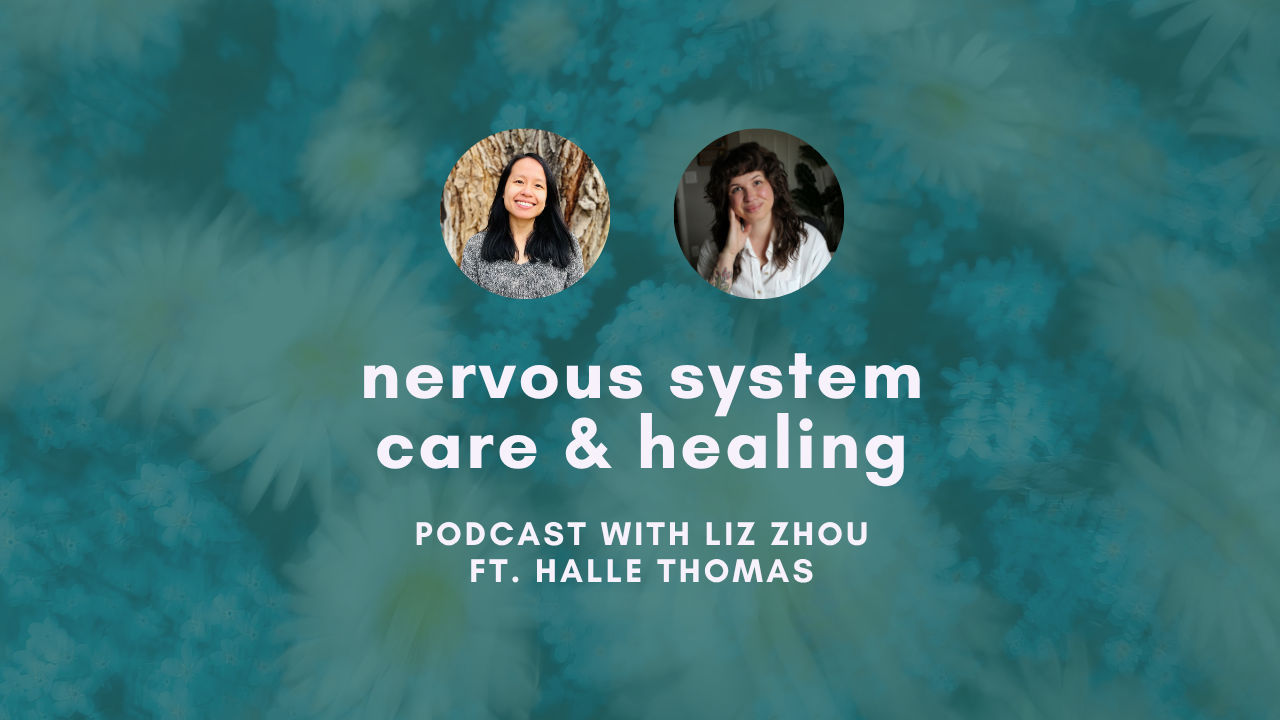
In this poignant conversation, Liz Zhou & Halle Thomas explore why the medical model (which assumes that health = the “absence of illness”) is not the only paradigm. We discuss ways to make therapy safer for queer, BIPOC, & neurodivergent folks; and how to weave ancestral & cultural practices into the healing process.